
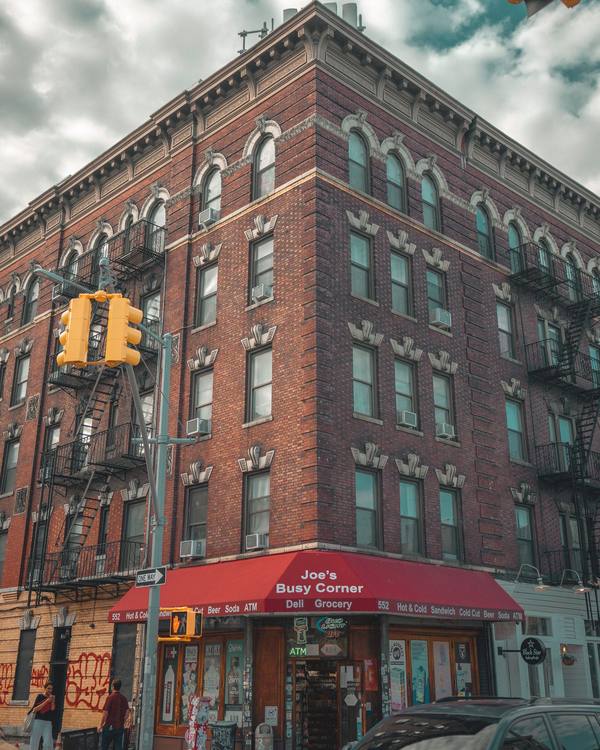
Why the ground floor matters
Insurers price a mixed-use building partly by what happens in the commercial space. An office or a clothing store below apartments is a lighter risk than a restaurant with a commercial kitchen, and a bar or nightclub is a different conversation again. Tell us exactly who your commercial tenants are and what they do.
What a mixed-use program includes
- Property for the whole building, with loss of rents for both residential and commercial units.
- General liability for the owner, covering the common areas, sidewalk and the building as a whole.
- Umbrella above the general liability.
- Glass and signage coverage for storefronts, where available.
Make your commercial tenants carry insurance
Commercial leases should require tenants to carry their own general liability, name you (the owner) as additional insured, and give you a certificate of insurance each year. That way, a claim that starts in the tenant's space goes to the tenant's insurer first. We can tell you what limits to ask for in the lease.
For a quick start, the instant estimate is built for residential apartment buildings and gives a reference point for the apartment side. Jacob quotes the full mixed-use building.
Frequently asked questions
Can one policy cover both the apartments and the stores?
Yes. Most mixed-use buildings are insured under one property and liability program for the owner. Commercial tenants carry their own policies for their business.
Does a restaurant tenant raise my premium?
Usually, yes. Cooking adds fire risk, so insurers ask about the kitchen hood, its suppression system and cleaning schedule. A well-maintained system and a tenant with good insurance help.
What should my commercial lease require?
Typically general liability with you named as additional insured, a waiver of subrogation, and a certificate each year. Your attorney writes the lease, and we can suggest the insurance limits to put in it.